Some restoration projects require more control than conventional blasting, grinding or chemical stripping can provide.
Laser Clean offers precise surface preparation for specialist applications including classic vehicles, smoke-damaged surfaces, graffiti, painted metal window cills, architectural stone and delicate metals.
Every application is assessed according to the material, contamination and required finish before work begins.
Traditional removal methods can be highly effective, but they are not always the best option for delicate, valuable or difficult-to-replace surfaces.
Aggressive blasting, grinding and chemical stripping may introduce abrasive media, damage detail, affect the surrounding area or create extensive cleanup.
Laser cleaning provides a controlled alternative for suitable applications. The process can be adjusted according to the substrate, coating, contamination and required finish, allowing selected areas to be treated with a high degree of precision.
The correct method is always determined by assessment and, where necessary, a small test area.
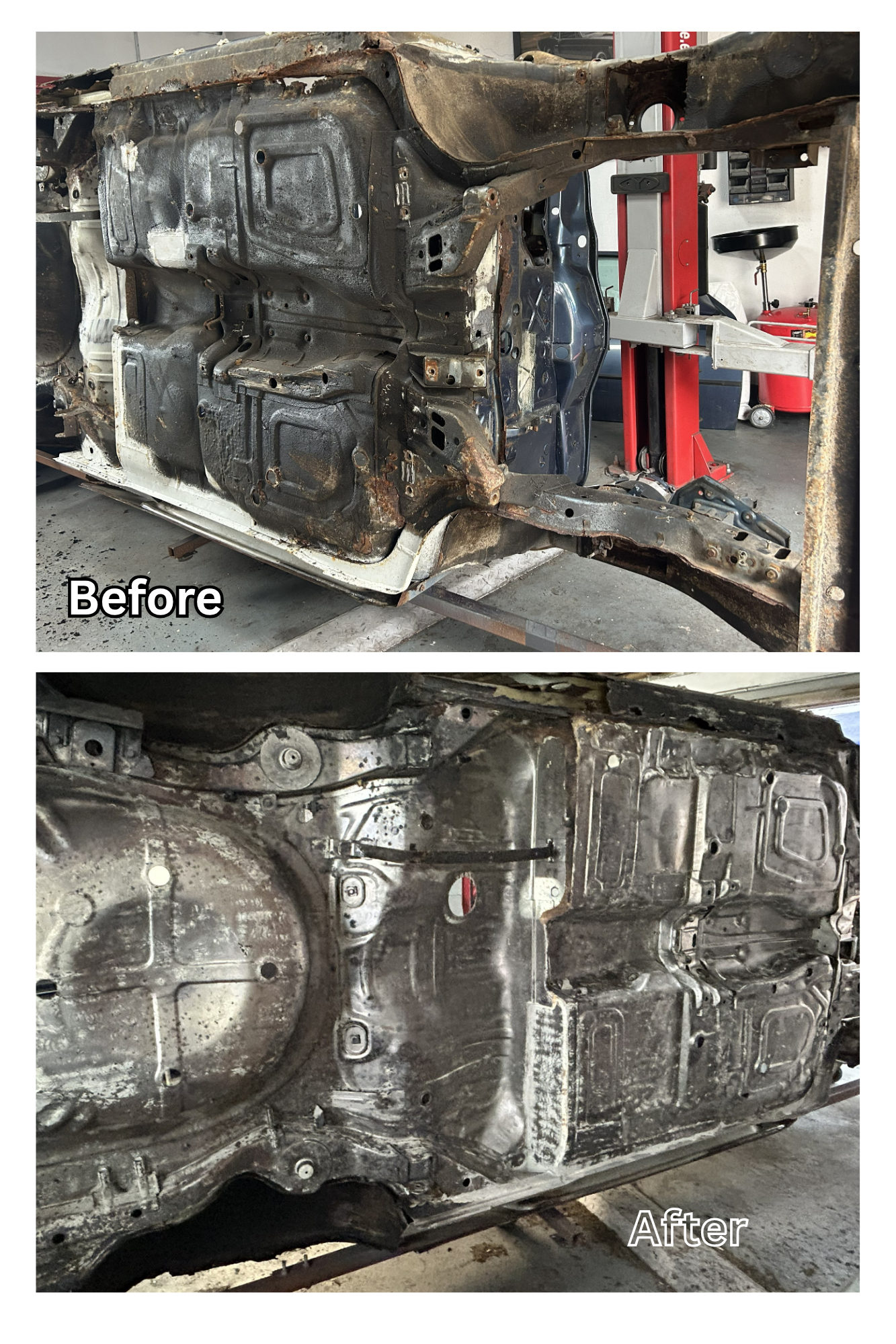
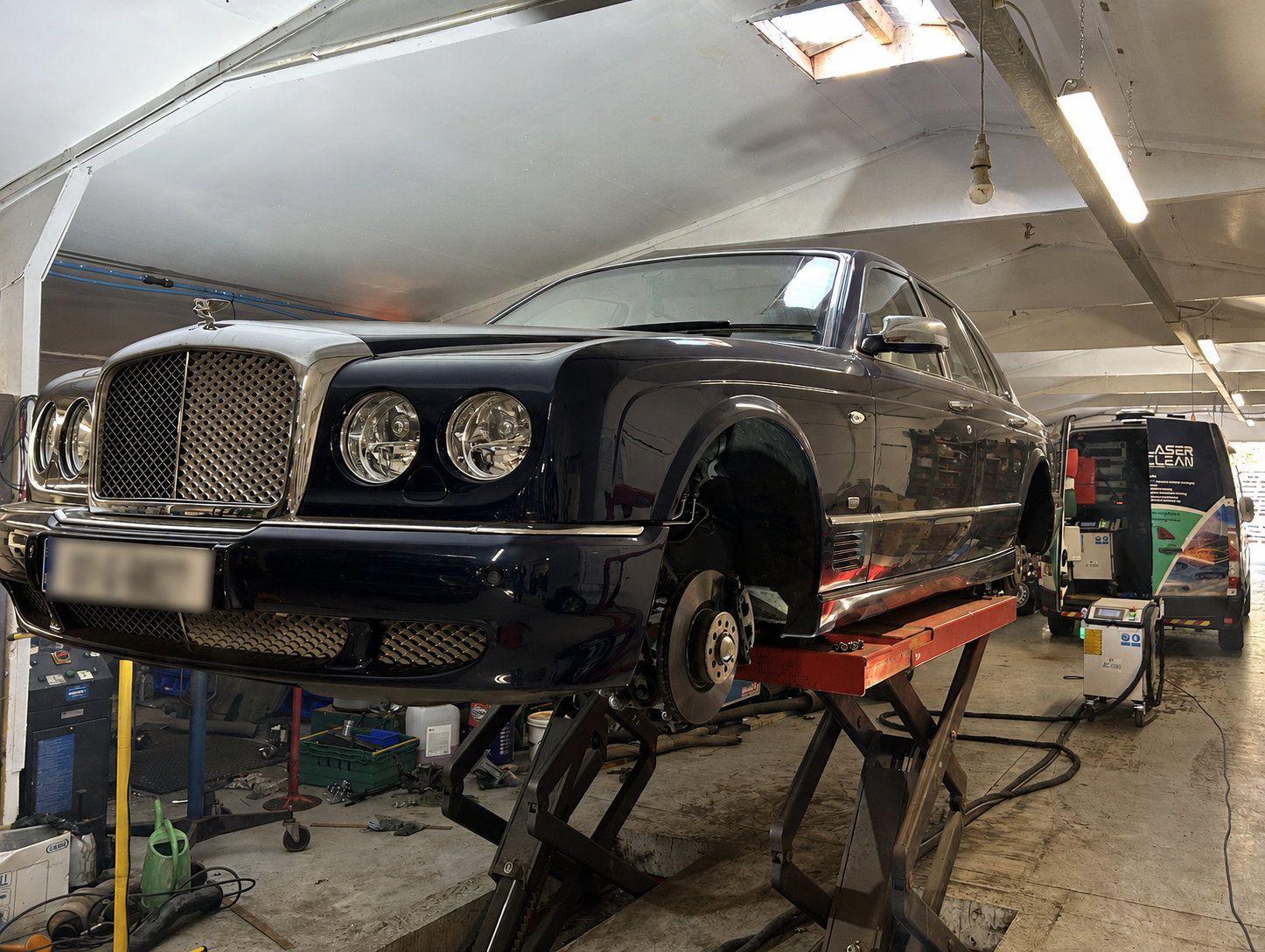
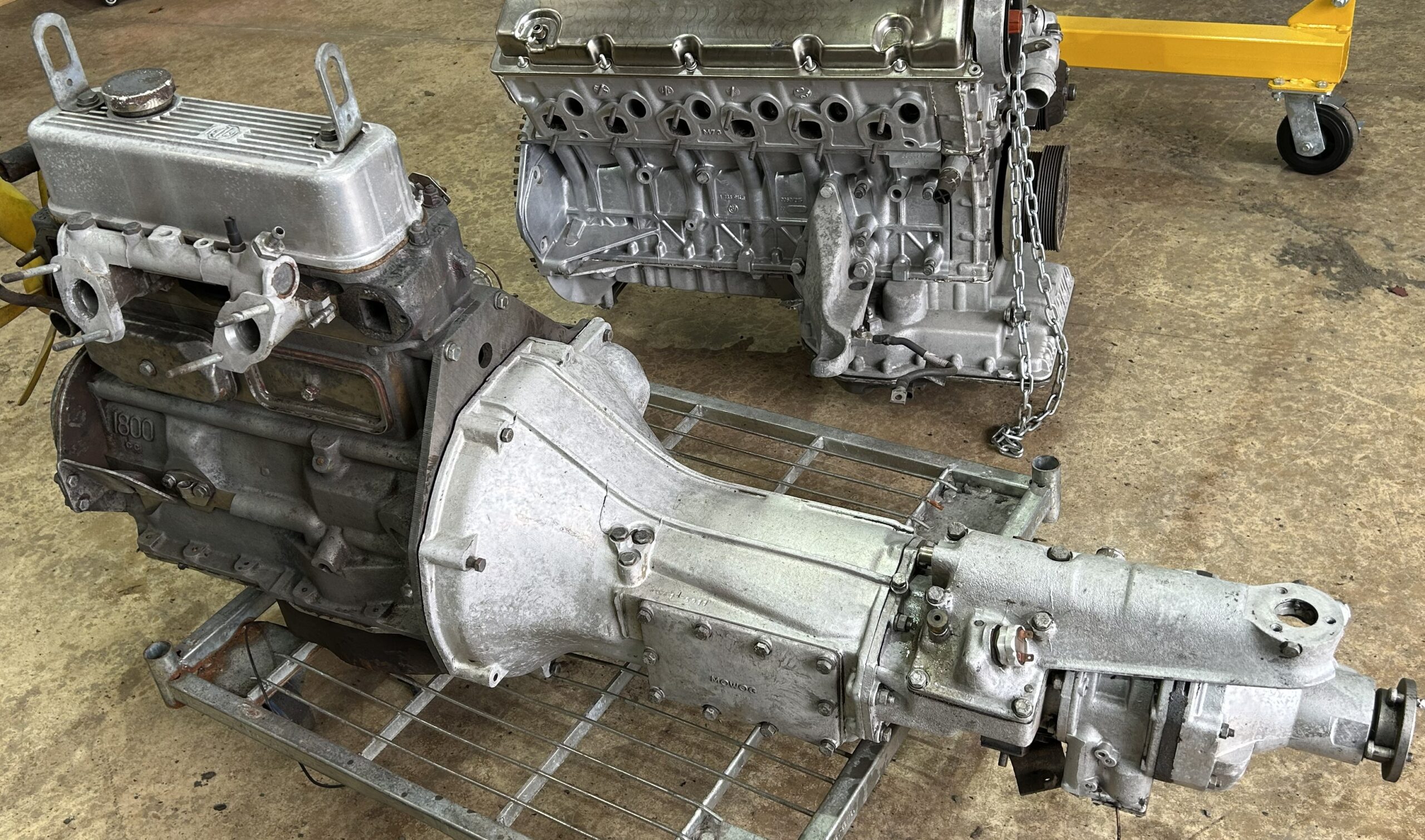
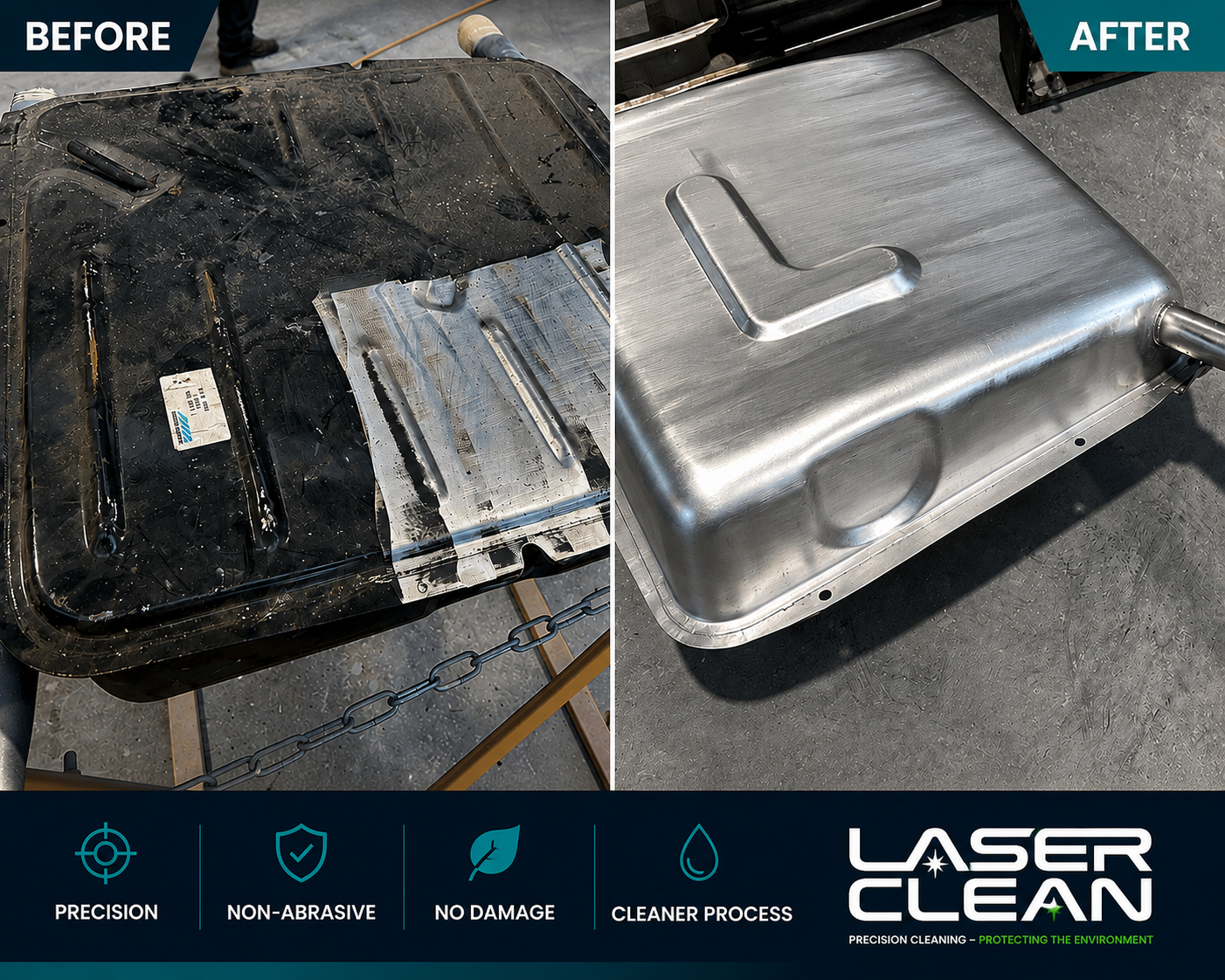
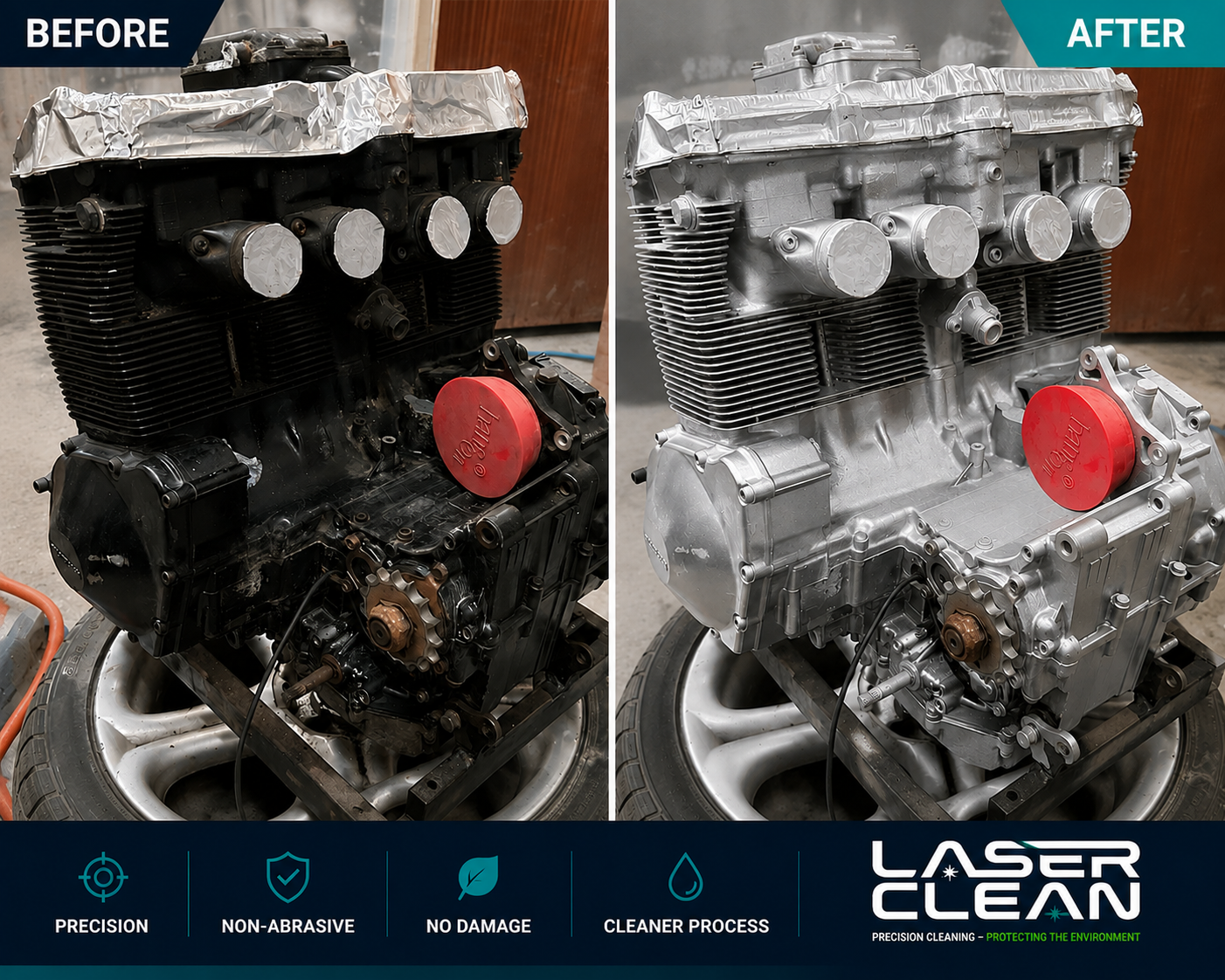
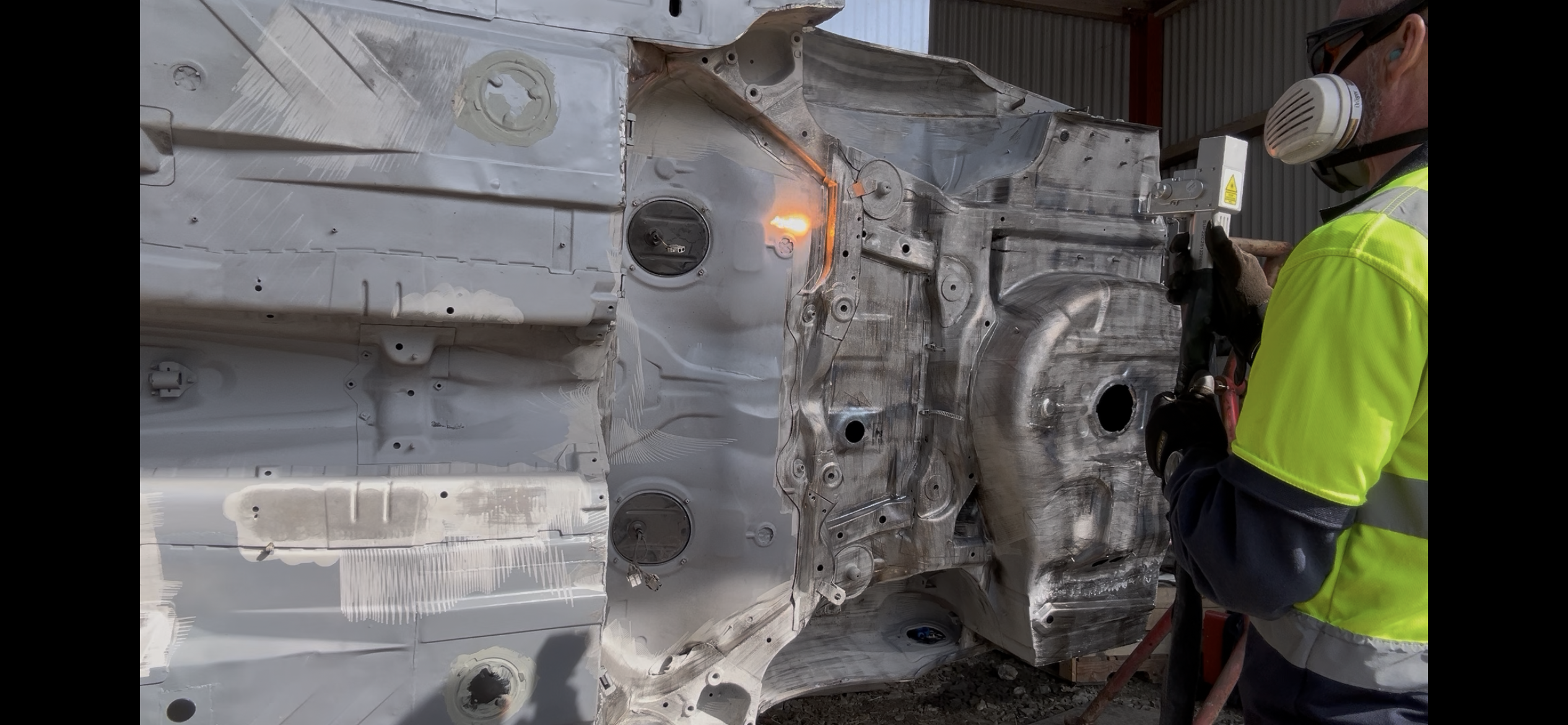
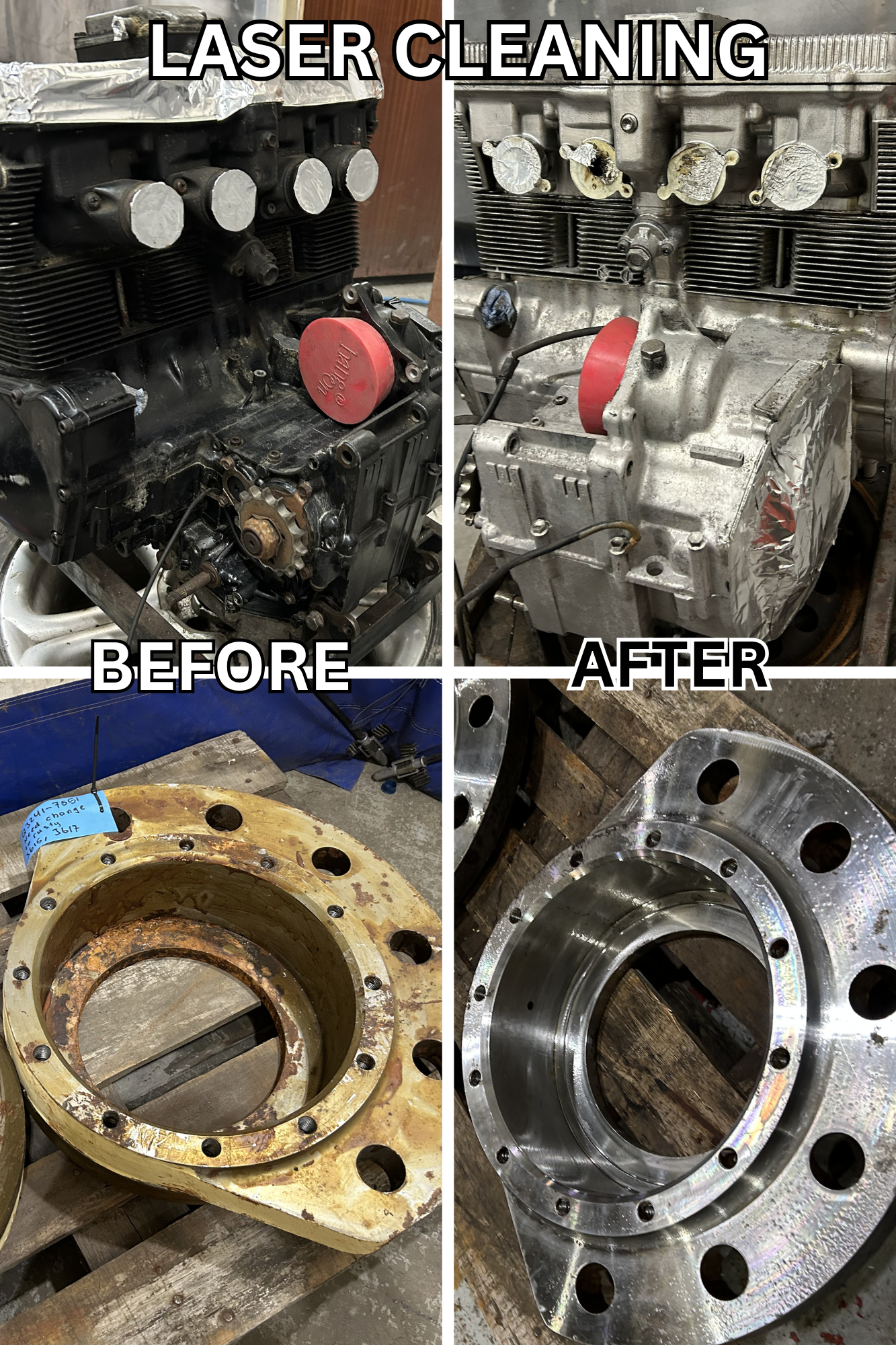
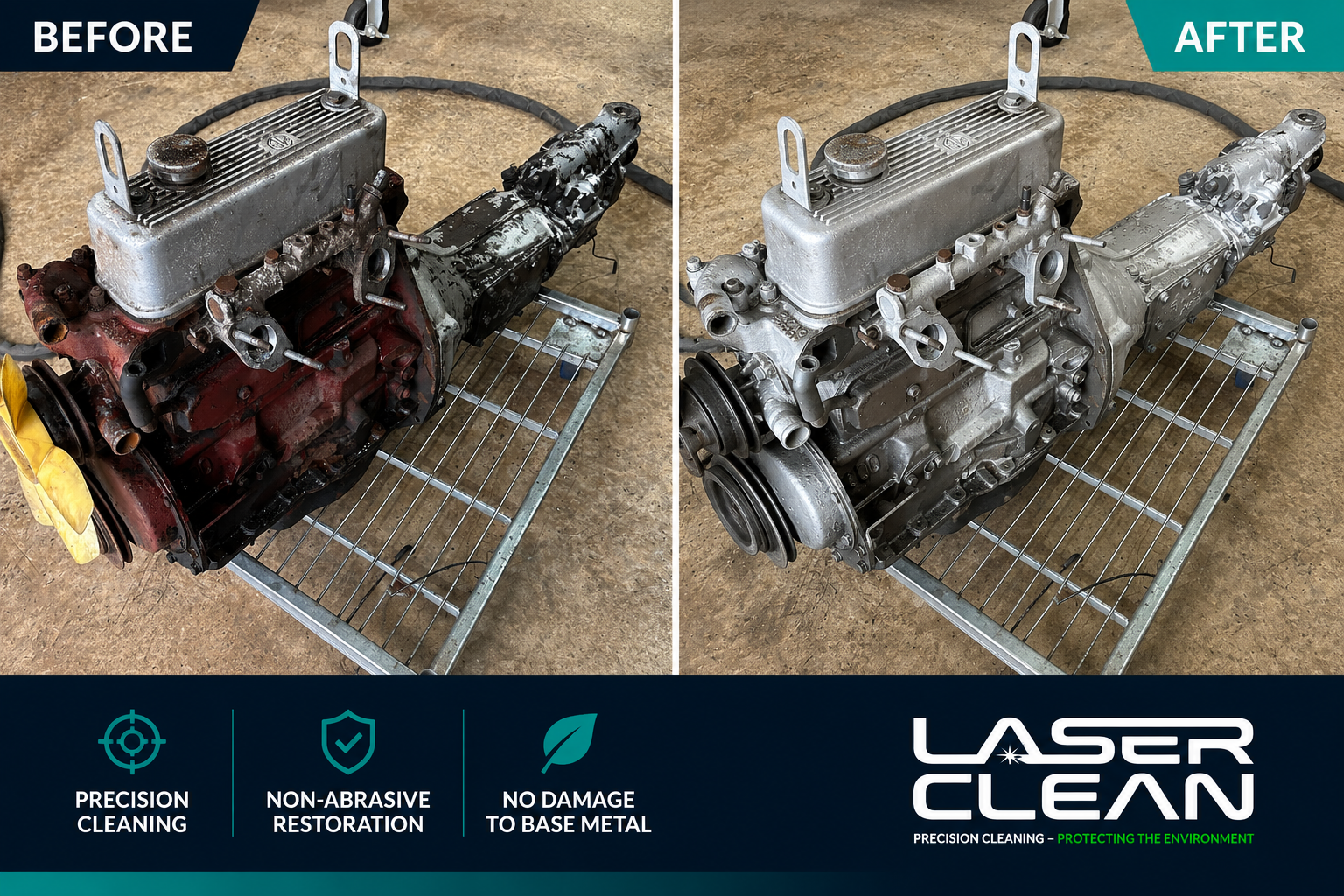
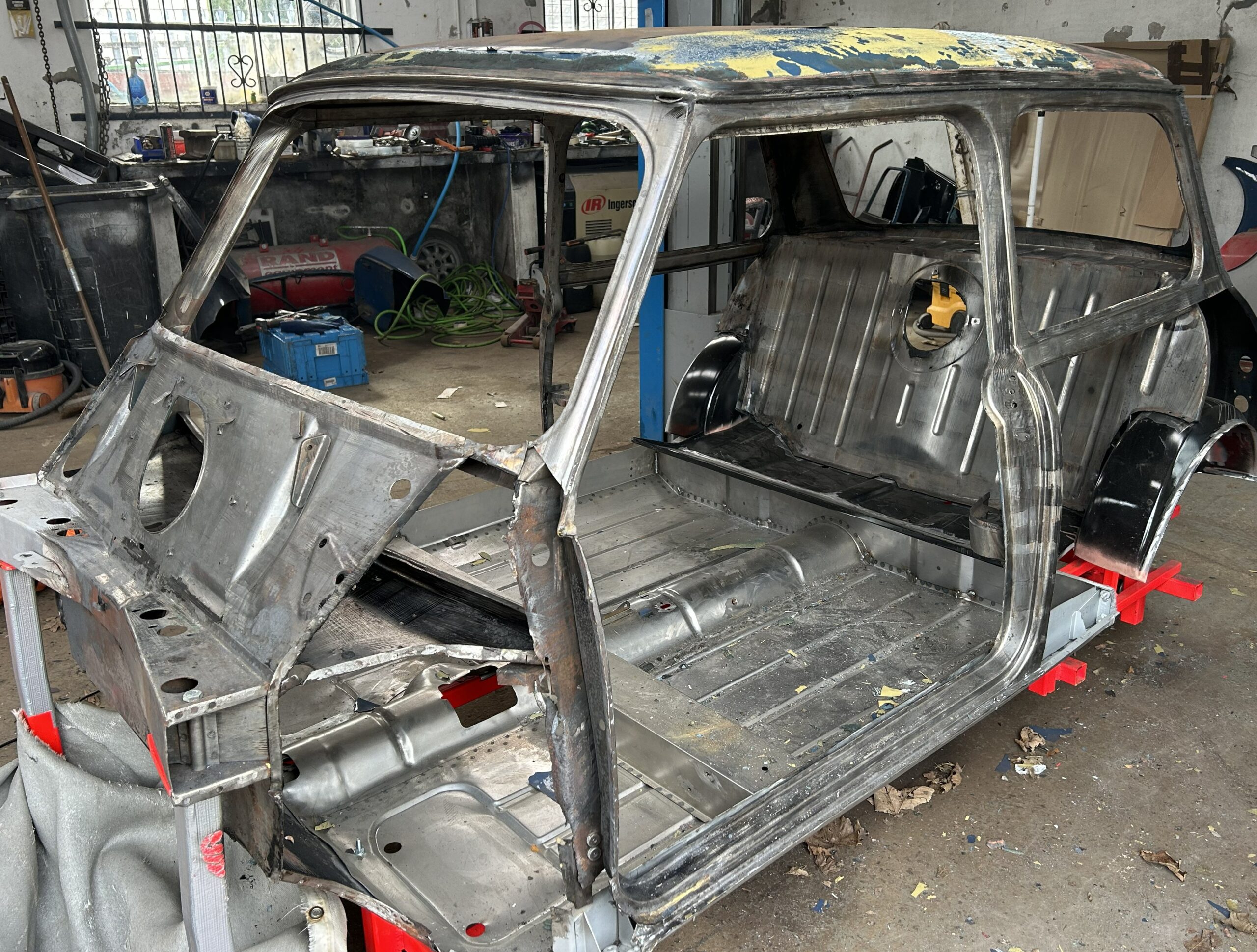
Controlled removal of paint, corrosion and surface contamination from suitable vehicle components, preserving the underlying metal for repair, inspection or refinishing.
Precision removal of soot, smoke deposits and carbon contamination from suitable surfaces following fire damage, preserving selected metal, masonry and structural materials.
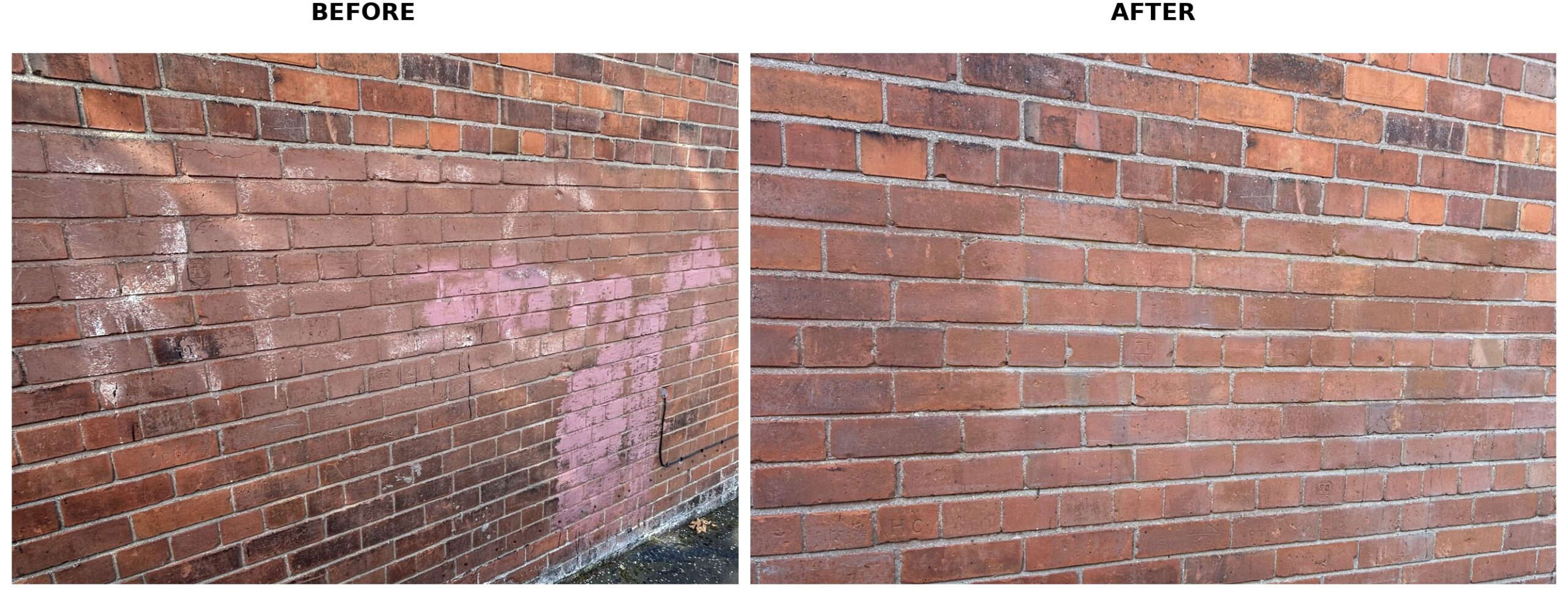
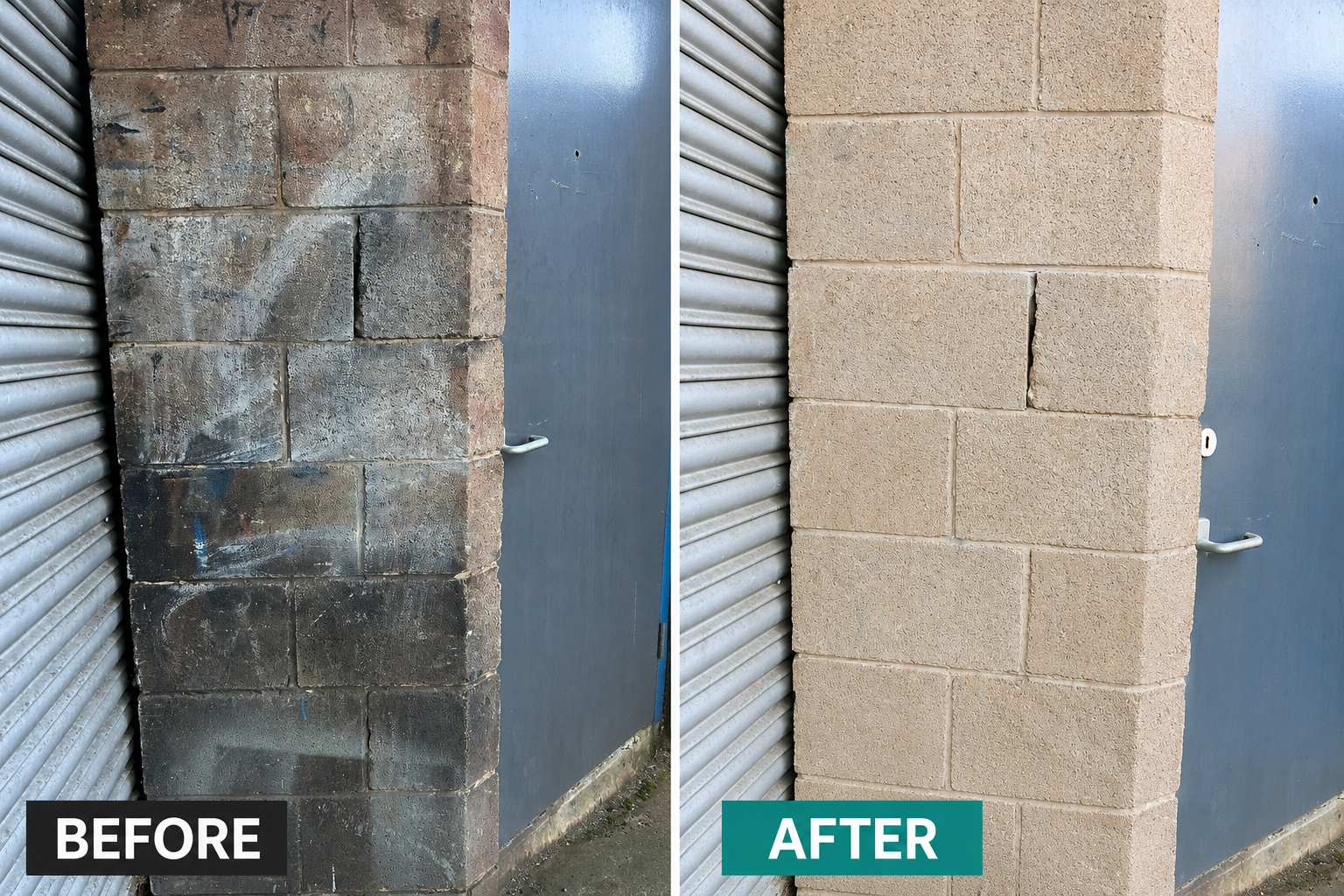
Controlled removal of selected paints and graffiti from suitable brick, stone and masonry surfaces, reducing the need for abrasive blasting or harsh chemicals. A test area is recommended to assess surface suitability and expected results.
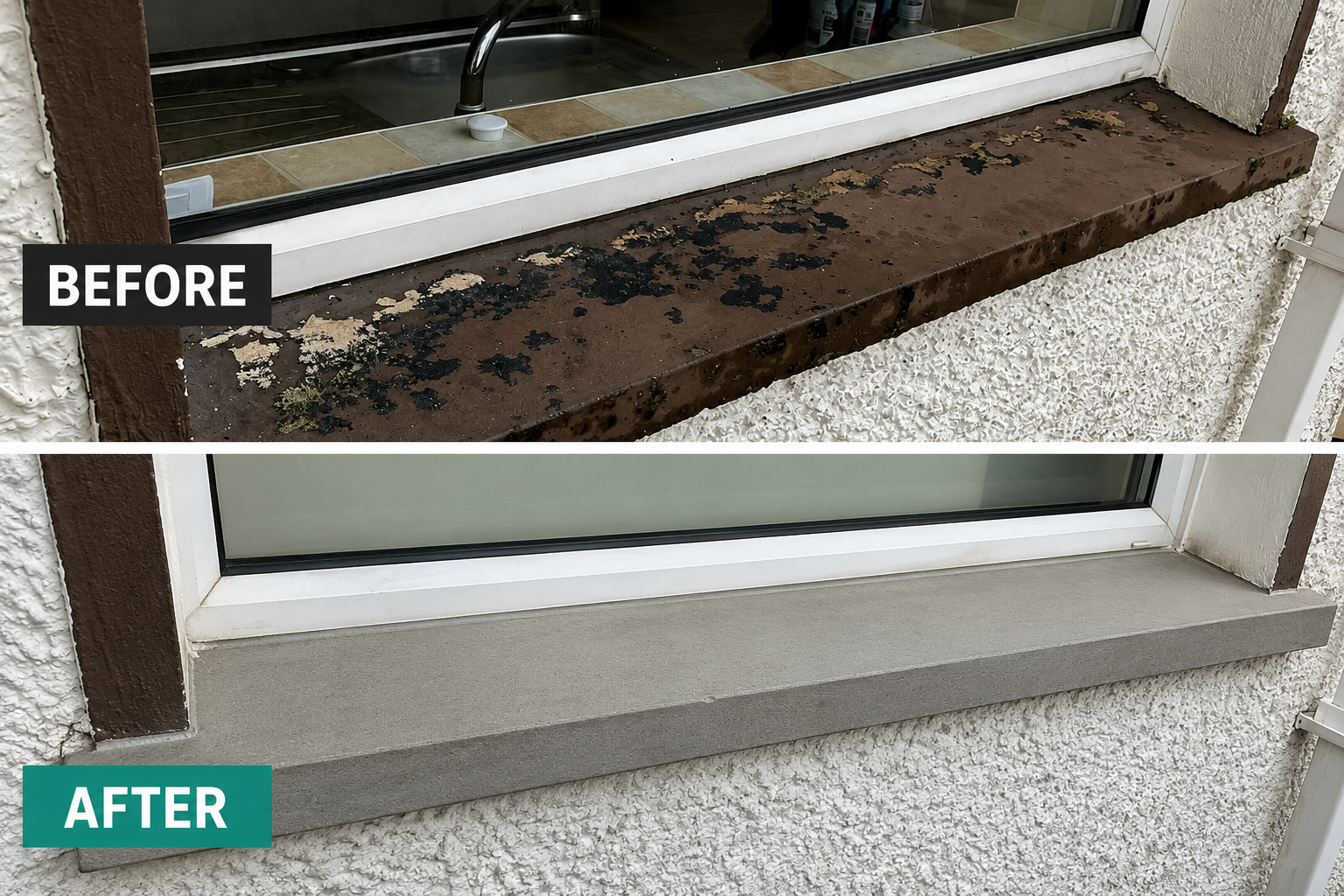
Controlled removal of paint, corrosion and failed coatings from suitable steel window cills, frames and architectural metalwork, preparing surfaces for repair and protective recoating.
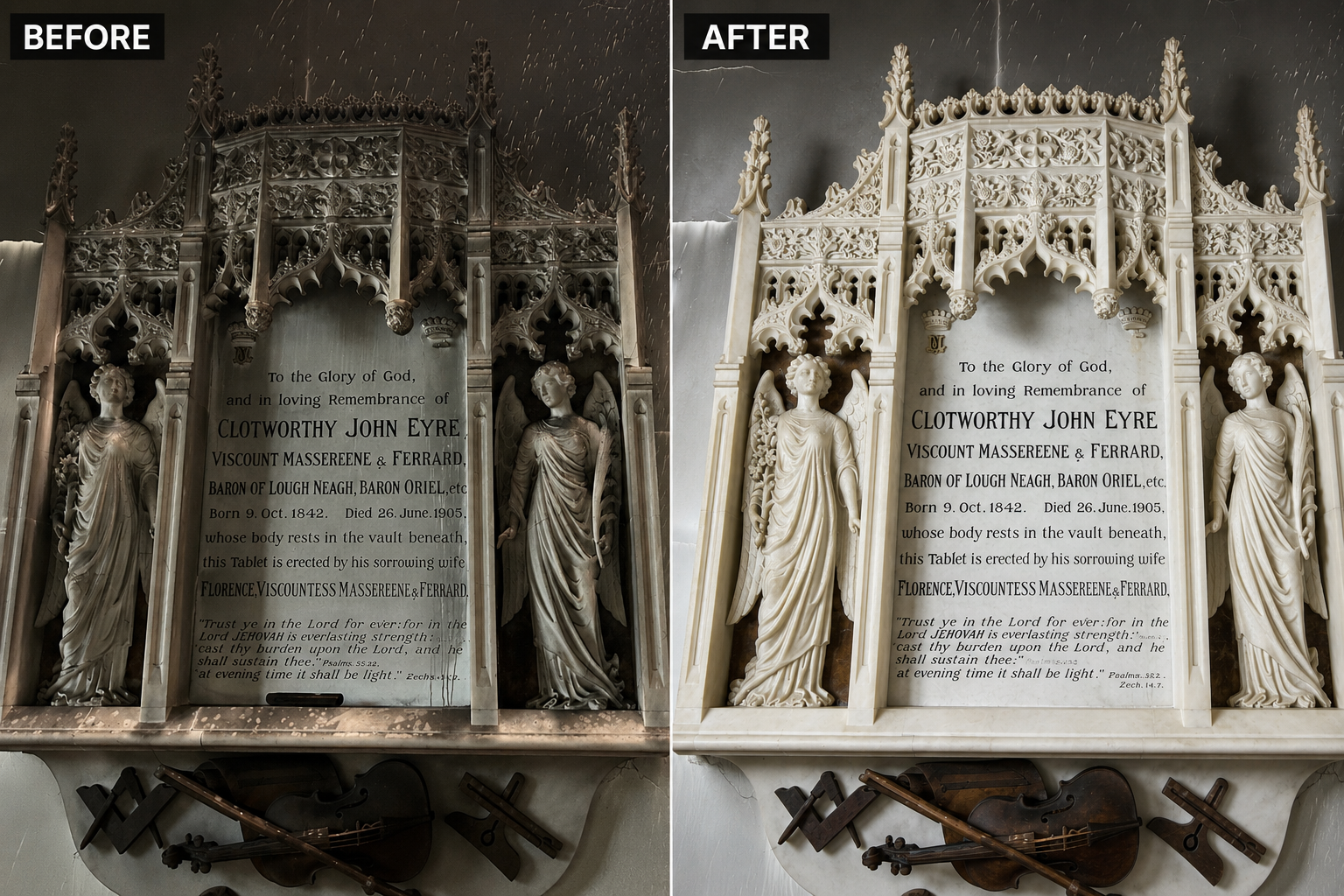
Controlled removal of carbon staining, atmospheric pollution, soot and biological contamination from suitable stone and masonry surfaces, helping restore original detail. Every project is tested to assess suitability and expected results.
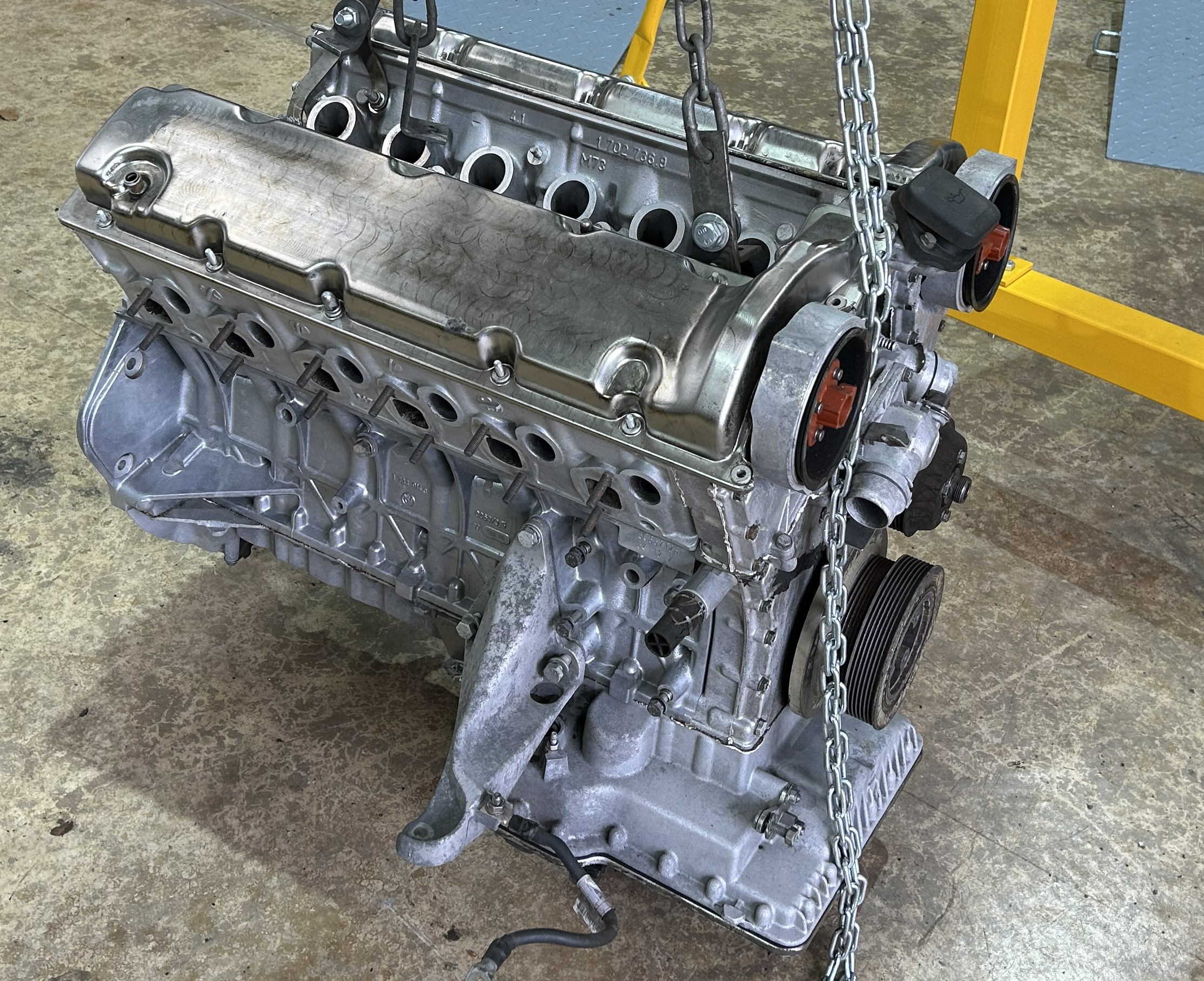
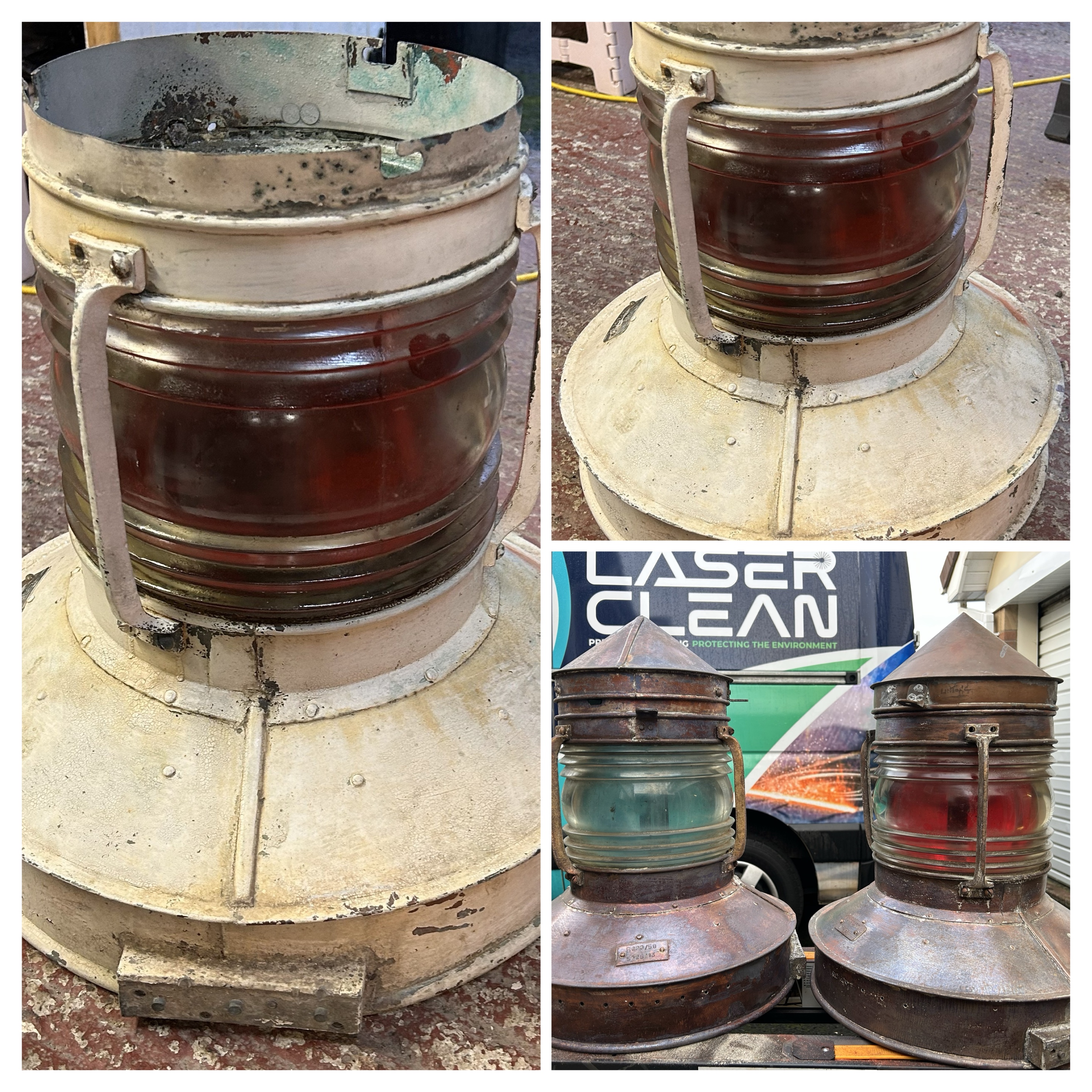
Controlled removal of oxidation, coatings and surface contamination from suitable copper, brass, bronze and other decorative metals while preserving fine detail. The desired finish is agreed before treatment.
The response to laser cleaning varies according to the material, coating, contamination and required outcome.
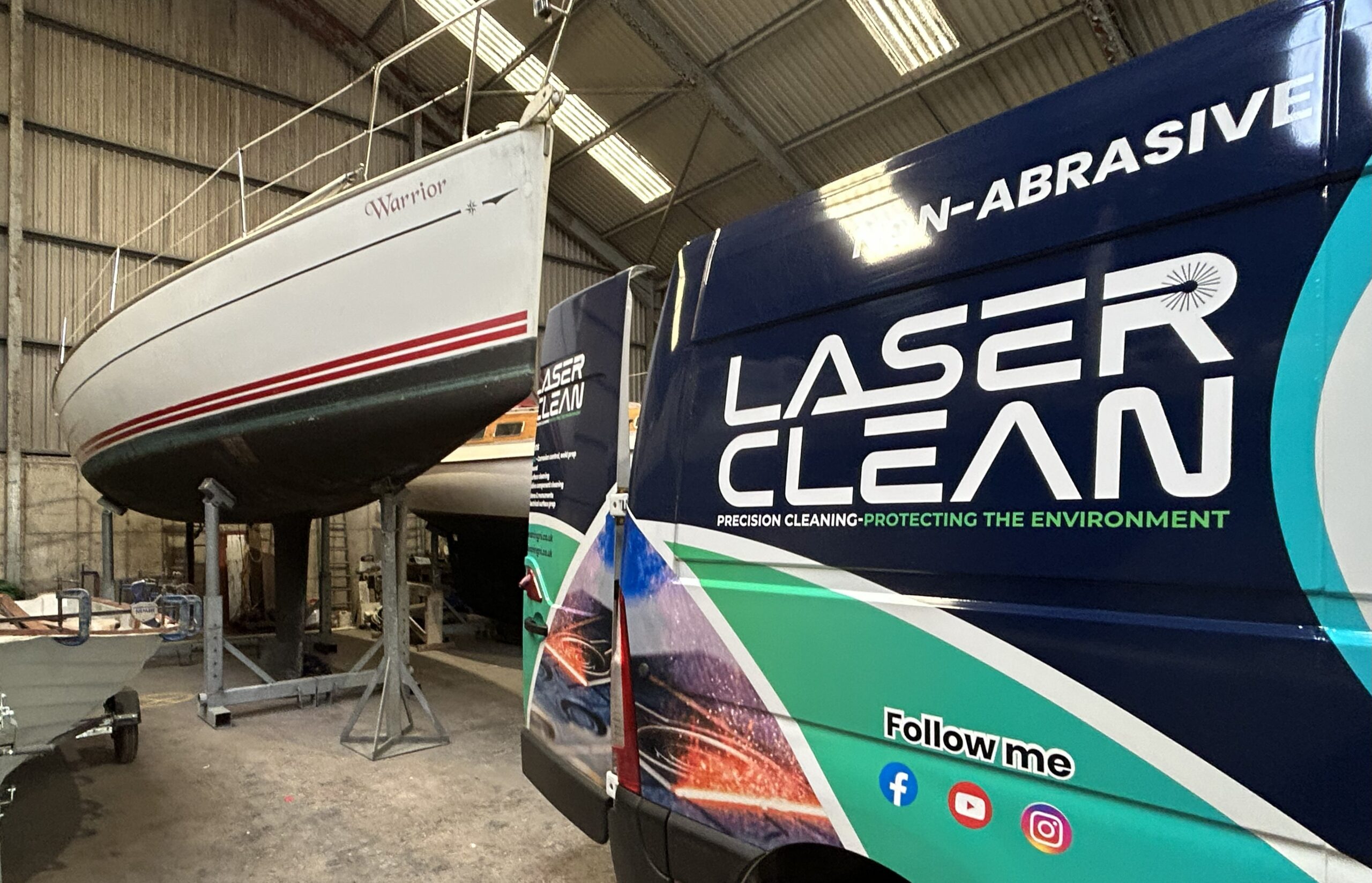
Laser interaction depends on the material, coating thickness, contamination, surface condition and required finish.
A process that works well on one component may not be suitable for another, even when the materials initially appear similar.
For this reason, specialist applications are assessed individually. Where appropriate, Laser Clean will complete a small trial area before confirming the final method, expected result and commercial scope.
The application is considered according to the asset and required outcome—not simply whether a laser can remove the unwanted material.
Different systems are available for different coatings, materials and levels of control.
Suitable projects can be assessed and completed at customer sites throughout Northern Ireland.
Where another preparation method would provide a better result, Laser Clean will say so.
No. Some materials, coatings and contaminants respond more effectively than others.
Thin, highly reflective, heat-sensitive, porous or heavily degraded surfaces may require careful testing or an alternative method. The desired finish can also determine whether laser cleaning is suitable.
Laser Clean will advise honestly where another process—or a combination of processes—would be more appropriate.
It can remove many types of paint and coating from suitable surfaces. The rate of removal and achievable finish depend on the coating, thickness and underlying material.
The process is selected to remove the unwanted layer while protecting the substrate. However, suitability must be assessed and some applications require a controlled test area.
Potentially, subject to material testing, access, client approval and any conservation or planning requirements applying to the property.
Yes, where the paint and substrate respond appropriately. A test area is normally recommended before full removal.
Laser cleaning can remove soot and carbon contamination from many suitable surfaces, although it may form part of a wider restoration process.
Yes. Laser Clean provides a mobile service throughout Northern Ireland, subject to project size, access and site requirements.
Yes. Test patches are recommended for many specialist applications where the surface response or final appearance needs to be confirmed.
Yes, on suitable metal and masonry surfaces. The required coating system and preparation standard should be agreed before work begins.
Send us photographs and a short description of the material, coating or contamination, approximate size, project location and required finish.
We will review the application and advise whether photographs are sufficient, a site visit is required or a controlled trial would be the best first step.
For enquiries about laser services please don’t hesitate to call us on 028 9227 0035 or fill out our contact form below.
41 Loughan Hill, Ballymena
Some restoration projects require more control than conventional blasting, grinding or chemical stripping can provide.
Laser Clean offers precise surface preparation for specialist applications including classic vehicles, smoke-damaged surfaces, graffiti, painted metal window cills, architectural stone and delicate metals.
Every application is assessed according to the material, contamination and required finish before work begins.
Traditional removal methods can be highly effective, but they are not always the best option for delicate, valuable or difficult-to-replace surfaces.
Aggressive blasting, grinding and chemical stripping may introduce abrasive media, damage detail, affect the surrounding area or create extensive cleanup.
Laser cleaning provides a controlled alternative for suitable applications. The process can be adjusted according to the substrate, coating, contamination and required finish, allowing selected areas to be treated with a high degree of precision.
The correct method is always determined by assessment and, where necessary, a small test area.
Controlled removal of paint, corrosion and surface contamination from suitable vehicle components, preserving the underlying metal for repair, inspection or refinishing.
Precision removal of soot, smoke deposits and carbon contamination from suitable surfaces following fire damage, preserving selected metal, masonry and structural materials.
Controlled removal of selected paints and graffiti from suitable brick, stone and masonry surfaces, reducing the need for abrasive blasting or harsh chemicals. A test area is recommended to assess surface suitability and expected results.
Controlled removal of paint, corrosion and failed coatings from suitable steel window cills, frames and architectural metalwork, preparing surfaces for repair and protective recoating.
Controlled removal of carbon staining, atmospheric pollution, soot and biological contamination from suitable stone and masonry surfaces, helping restore original detail. Every project is tested to assess suitability and expected results.
Controlled removal of oxidation, coatings and surface contamination from suitable copper, brass, bronze and other decorative metals while preserving fine detail. The desired finish is agreed before treatment.
The response to laser cleaning varies according to the material, coating, contamination and required outcome.
Laser interaction depends on the material, coating thickness, contamination, surface condition and required finish.
A process that works well on one component may not be suitable for another, even when the materials initially appear similar.
For this reason, specialist applications are assessed individually. Where appropriate, Laser Clean will complete a small trial area before confirming the final method, expected result and commercial scope.
The application is considered according to the asset and required outcome—not simply whether a laser can remove the unwanted material.
Different systems are available for different coatings, materials and levels of control.
Suitable projects can be assessed and completed at customer sites throughout Northern Ireland.
Where another preparation method would provide a better result, Laser Clean will say so.
No. Some materials, coatings and contaminants respond more effectively than others.
Thin, highly reflective, heat-sensitive, porous or heavily degraded surfaces may require careful testing or an alternative method. The desired finish can also determine whether laser cleaning is suitable.
Laser Clean will advise honestly where another process—or a combination of processes—would be more appropriate.
It can remove many types of paint and coating from suitable surfaces. The rate of removal and achievable finish depend on the coating, thickness and underlying material.
The process is selected to remove the unwanted layer while protecting the substrate. However, suitability must be assessed and some applications require a controlled test area.
Potentially, subject to material testing, access, client approval and any conservation or planning requirements applying to the property.
Yes, where the paint and substrate respond appropriately. A test area is normally recommended before full removal.
Laser cleaning can remove soot and carbon contamination from many suitable surfaces, although it may form part of a wider restoration process.
Yes. Laser Clean provides a mobile service throughout Northern Ireland, subject to project size, access and site requirements.
Yes. Test patches are recommended for many specialist applications where the surface response or final appearance needs to be confirmed.
Yes, on suitable metal and masonry surfaces. The required coating system and preparation standard should be agreed before work begins.
Send us photographs and a short description of the material, coating or contamination, approximate size, project location and required finish.
We will review the application and advise whether photographs are sufficient, a site visit is required or a controlled trial would be the best first step.
For enquiries about laser services please don’t hesitate to call us on 028 9227 0035 or fill out our contact form below.
41 Loughan Hill, Ballymena
WhatsApp us